
Maneuvers
Overtaking, turning, U-turns, stopping and parking — the test loves mixing up its three “stop” words.
Words in this module
 in 252 questionscircularto drive, to travel
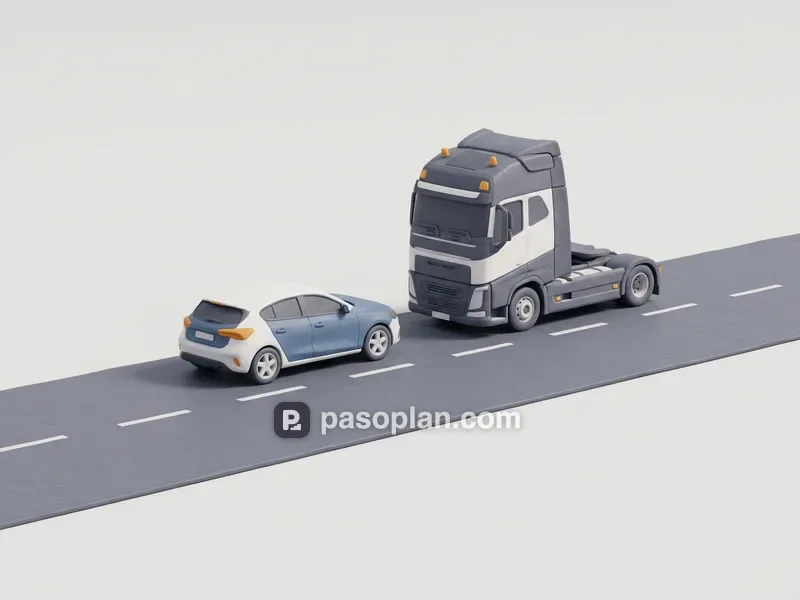 in 97 questions Trapadelantarto overtake
In Spain, 'adelantamiento' refers to any overtaking manoeuvre, including passing without entering an oncoming lane.
 in 41 questions Trapestacionarto park
Difference from a brief stop (parada): parking lasts more than 2 minutes or the driver leaves the vehicle.
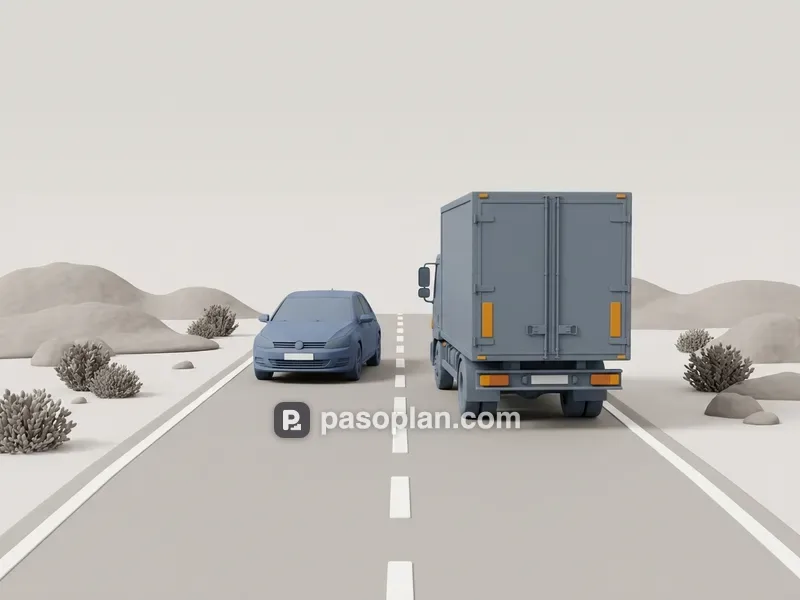 in 34 questions Trapadelantamientoovertaking
In heavy urban traffic, moving past a vehicle in an adjacent lane is not considered overtaking.
 in 33 questionsgirarto turn
 in 28 questionsmaniobramanoeuvre
 in 27 questionsceder el pasoto give wayExam example
En un carril de aceleración, ¿dónde debe detenerse de tener que ceder el paso?
In an acceleration lane, where should you stop if you have to give way?
 in 26 questions Trapmarcha atrásreverse
Prohibited on motorways and dual carriageways; limited to 15 meters when parking.
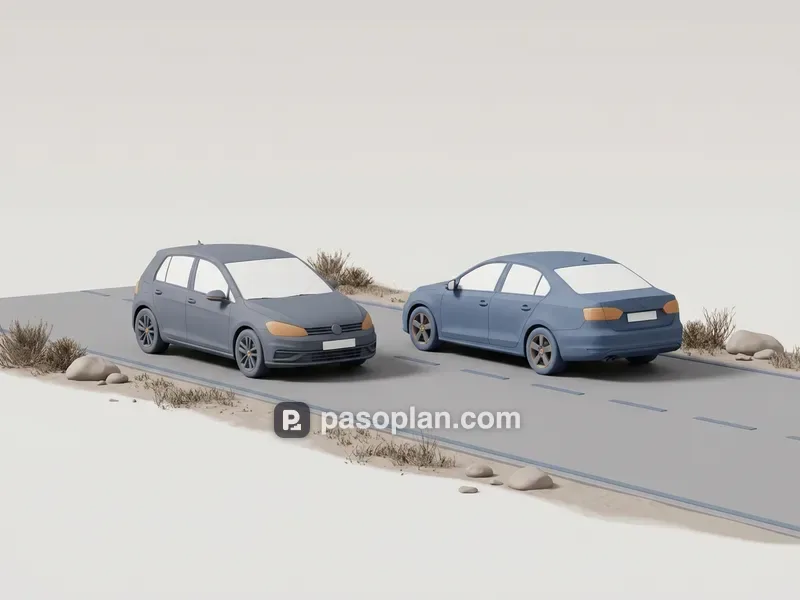 in 26 questionssentido contrarioopposite direction
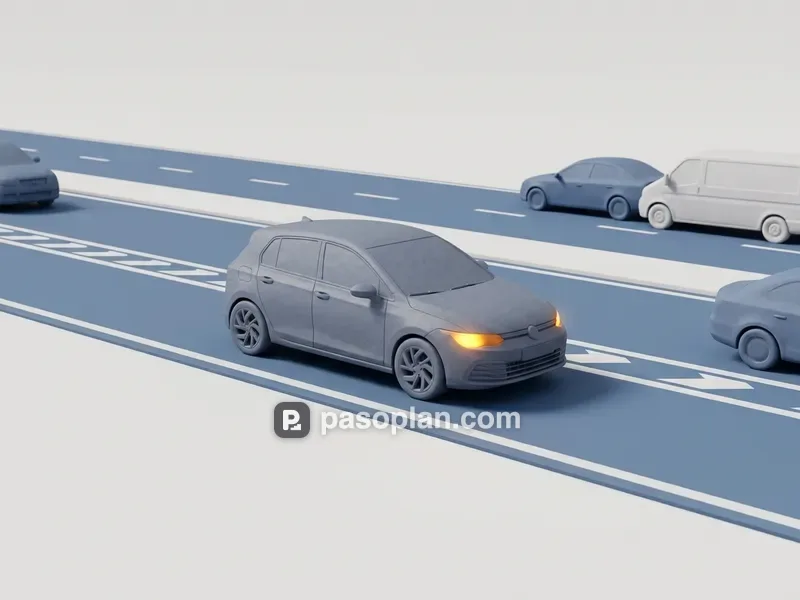 in 24 questions Trapincorporarseto join traffic, to merge
You must give way to all vehicles already moving along that lane.
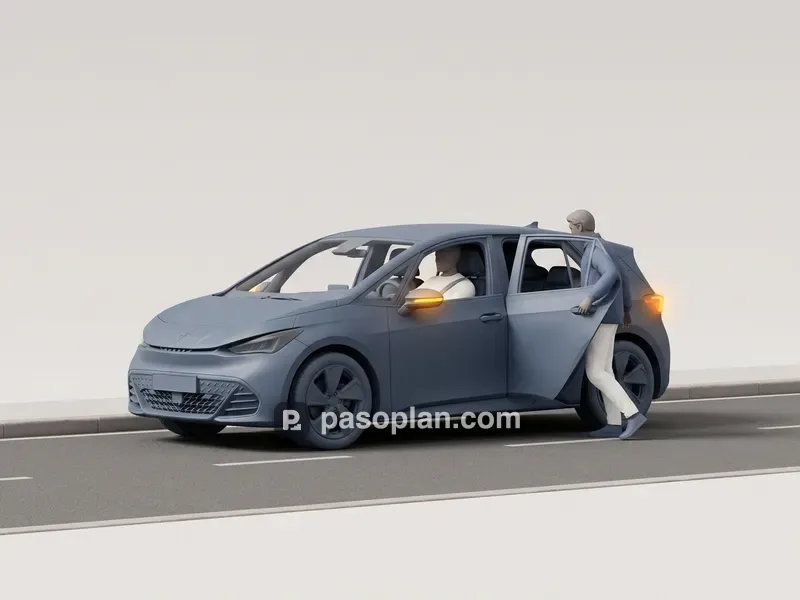 in 24 questions Trapparadastop (under 2 minutes)
Under 2 minutes, the driver stays in the car.
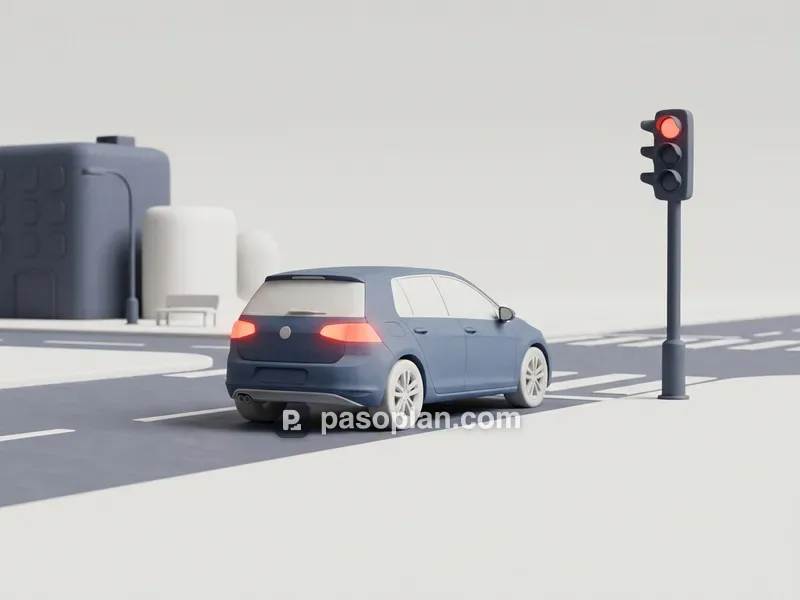 in 23 questions Trapdetenerseto stop
Detención is an involuntary stop compelled by traffic rules, unlike a voluntary brief stop (parada).
Exam exampleEn un carril de aceleración, ¿dónde debe detenerse de tener que ceder el paso?
In an acceleration lane, where should you stop if you have to give way?
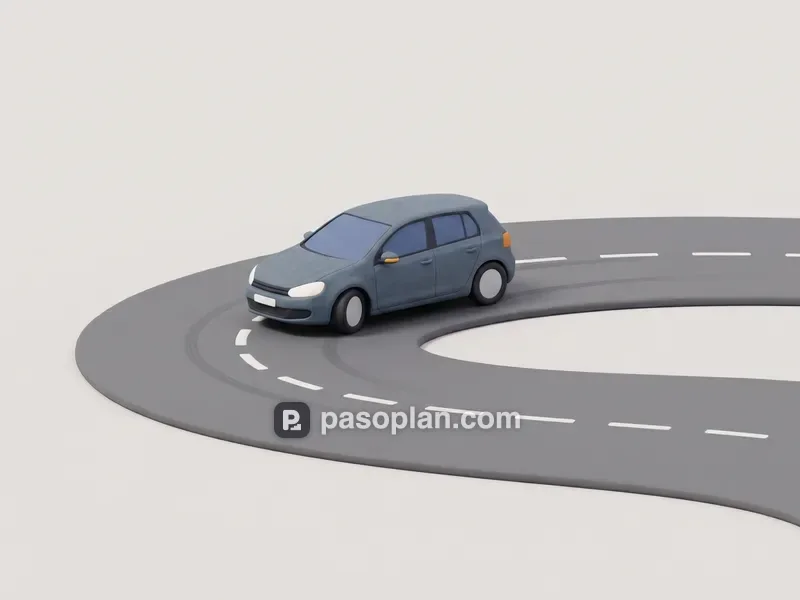 in 17 questionscambio de sentidoU-turn
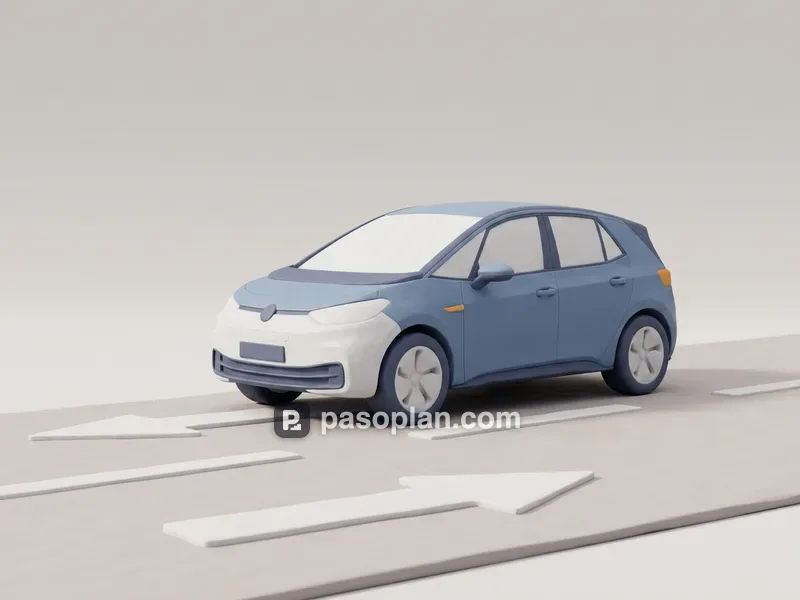 in 16 questionssentido de la marchadirection of travel
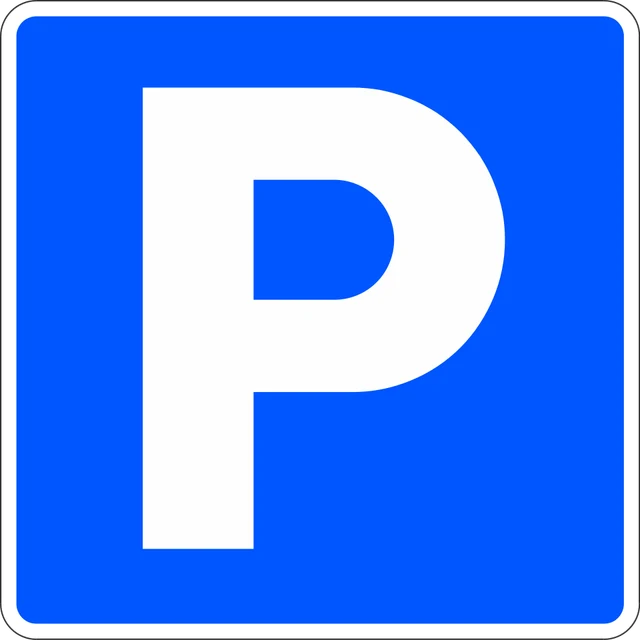 in 13 questions Trapestacionamientoparking
Anything that is neither a detención nor a parada.
Exam exampleMientras se realiza un estacionamiento, ¿es fácil que el dispositivo del airbag se dispare?
While parking, is the airbag likely to go off?
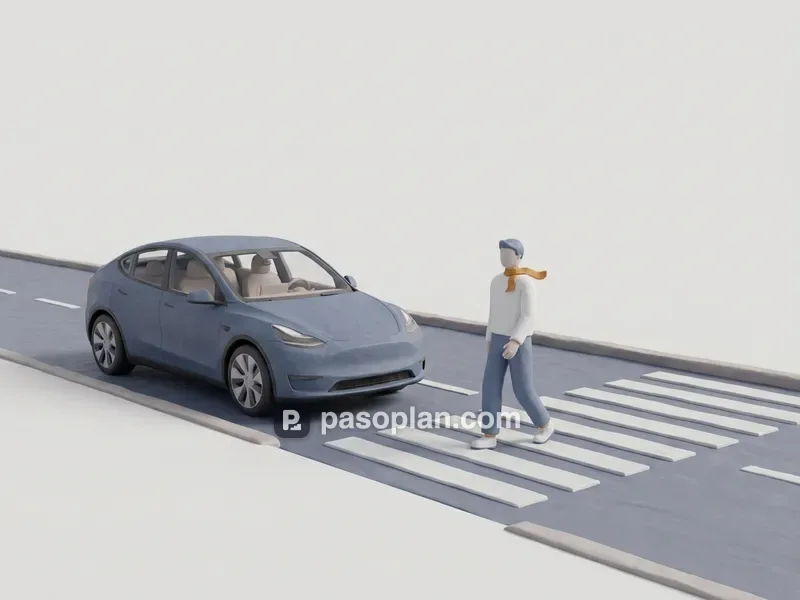 in 9 questions Trappasoway, passage; right of way
Ceder el paso is to give way; paso de peatones is a pedestrian crossing.
Exam exampleEn un carril de aceleración, ¿dónde debe detenerse de tener que ceder el paso?
In an acceleration lane, where should you stop if you have to give way?
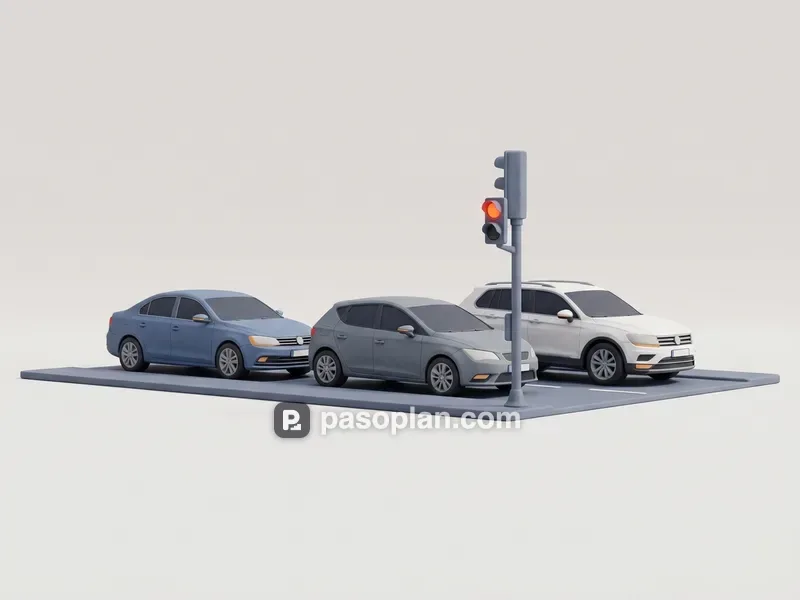 in 8 questions Trapdetenciónstop (forced)
Due to an emergency, traffic or a rule (red light, STOP).
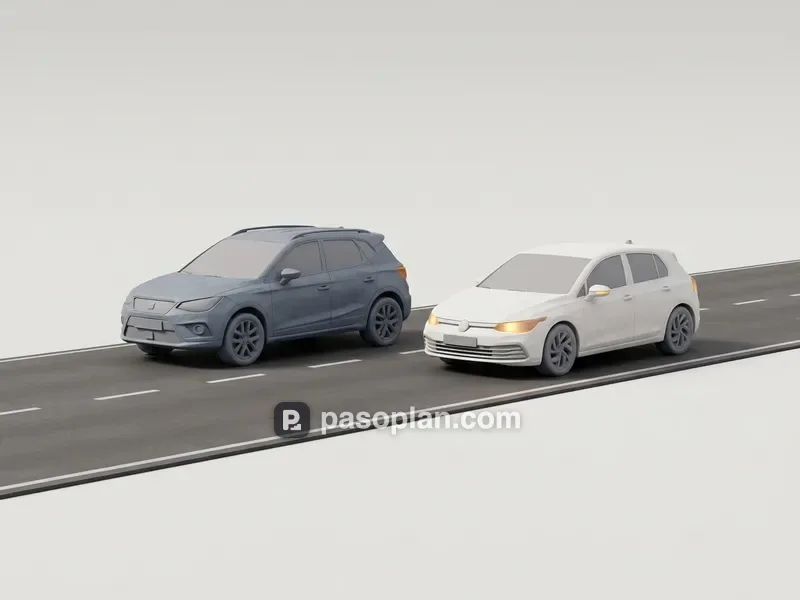 in 5 questions Traprebasarto pass (without changing into the opposite lane)
Do not confuse with adelantar: rebasar more often refers to driving around stationary objects or passing in lanes going the same direction.
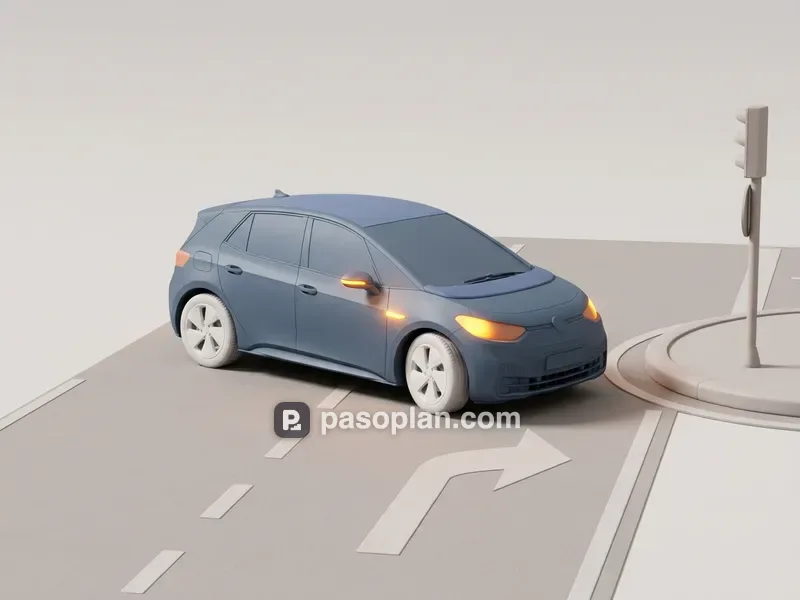 in 4 questions Trapcambio de direcciónchange of direction, turn
Do not confuse with 'cambio de sentido' (a 180-degree U-turn). 'Cambio de dirección' refers to turning onto another road or street.
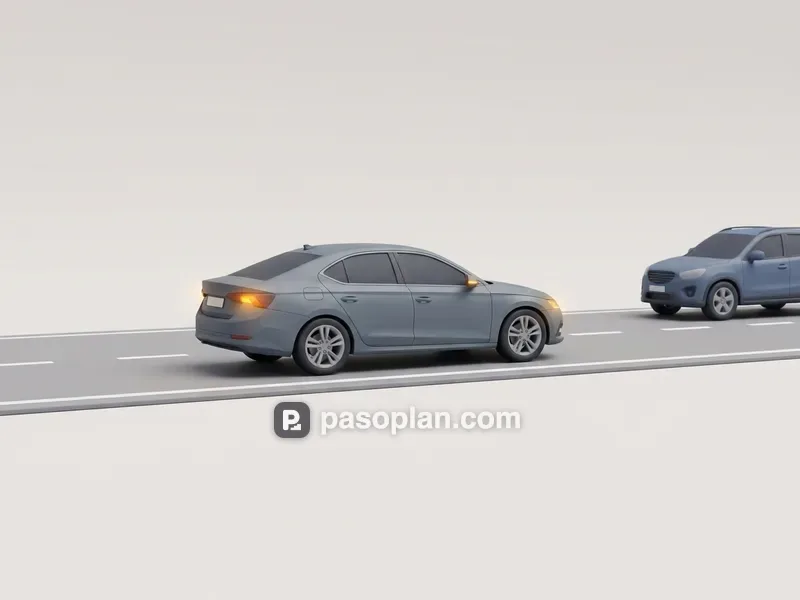 in 4 questionscambio de carrillane change
 in 4 questionsinvadirto encroach on
 in 4 questions Trapadvertirto warn, to signal
In traffic regulations, it means "to signal" a maneuver with indicators or hand signals, not just to notice something.
 in 3 questionsacelerarto accelerate
 in 2 questionsfrenarto brake
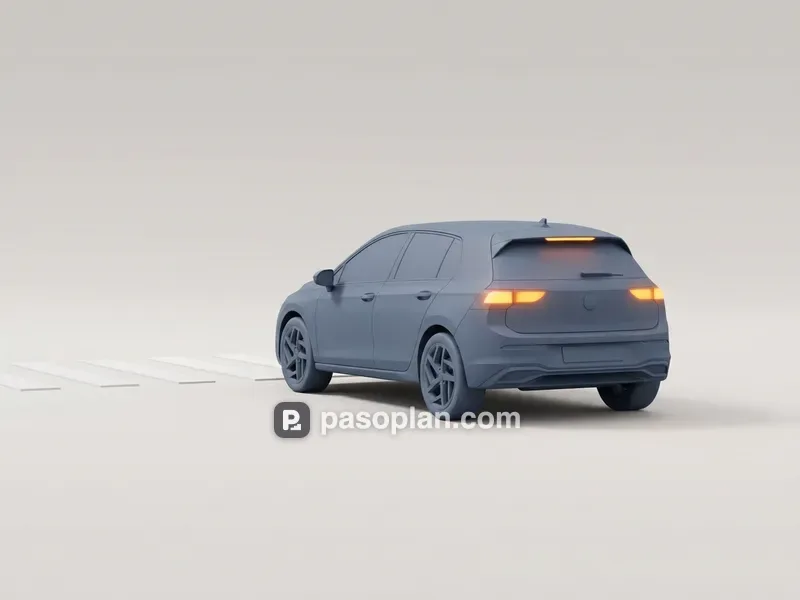 in 2 questionsreducir la velocidadto slow down
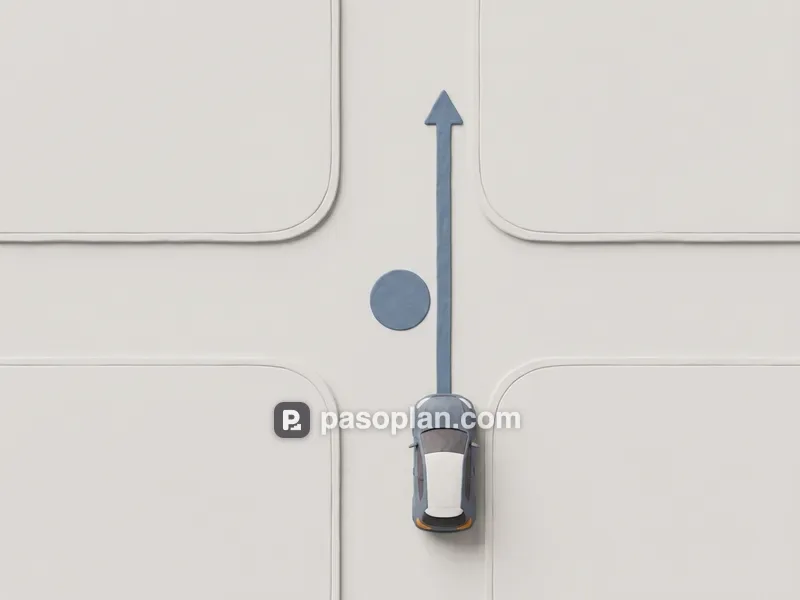 in 2 questionsseguir rectoto go straight on
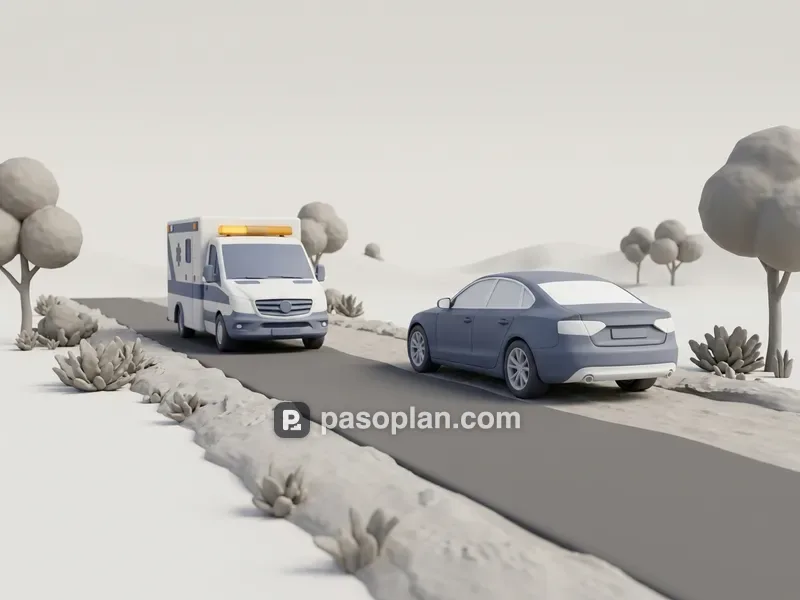 in 2 questionsapartarseto pull over
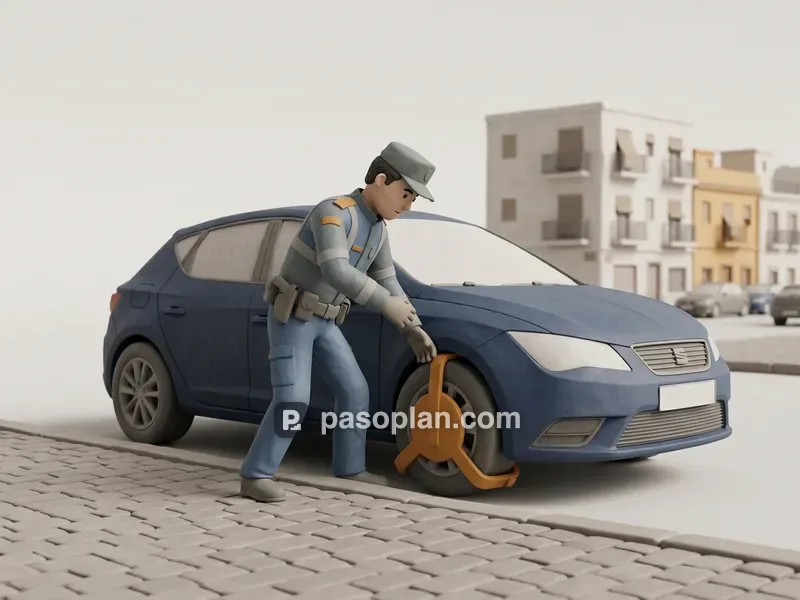 in 1 questions Trapinmovilizar el vehículoto immobilise the vehicle
Do not confuse 'inmovilización' (mandatory impounding/immobilization by police) with an ordinary stop (parada) or parking (estacionamiento).
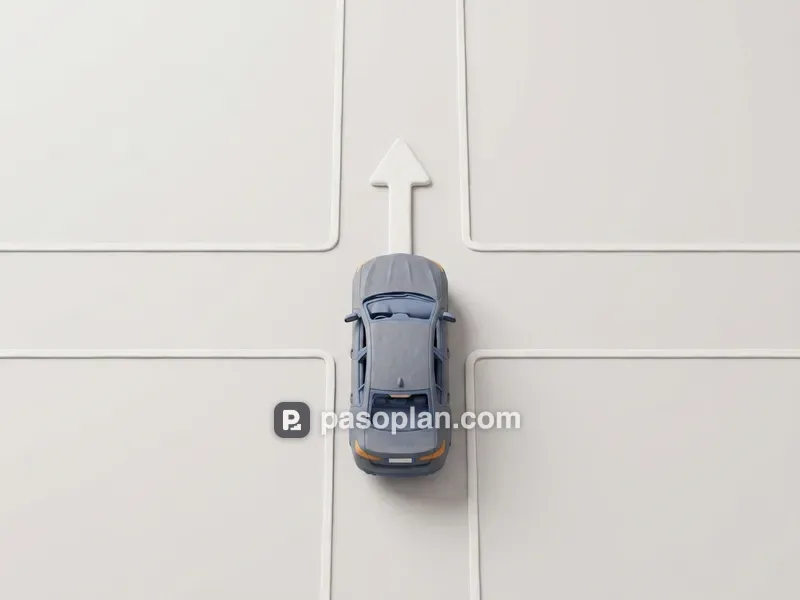 Trapde frentestraight ahead
In DGT tests, it means crossing an intersection straight ahead without turning right or left.